At Divine Hair Therapy Salon, I teach my clients one core truth: healthy hair is not an appointment—it’s a lifestyle.
As women with textured hair, many of us were never truly educated on how our hair functions, what it needs, or how to maintain it long-term. Instead, we were taught how to style it. While styles are beautiful, they don’t replace care, consistency, or knowledge.
Healthy hair starts with understanding—and that’s where my work begins.
Healthy Hair Starts With Education, Not Trends
One of the first things I explain to my clients is that trends don’t equal truth. Just because a product is popular or “natural” doesn’t mean it’s right for your hair.
Textured hair—whether relaxed, natural, or transitioning—requires:
A balanced moisture and protein routine
A clean, healthy scalp
Consistency in care
Realistic expectations
When you understand your hair’s porosity, density, and elasticity, you stop guessing—and your hair starts responding.
Your Scalp Is the Foundation
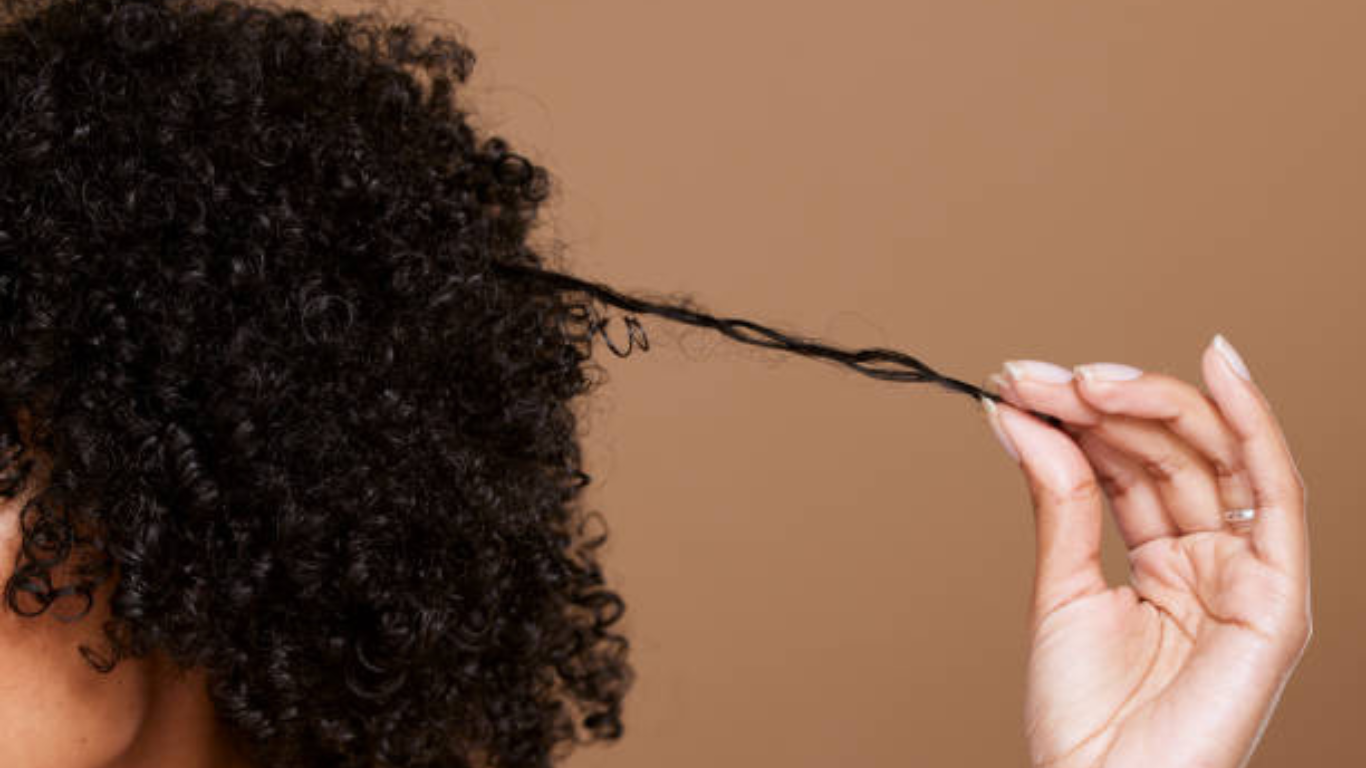
I tell every client this: your scalp is an extension of your skin, not just a place hair grows from.
A neglected scalp leads to:
Slow growth
Excessive shedding
Breakage
Product buildup
At Divine Hair Therapy, we focus on scalp health first. That means proper cleansing, exfoliation when needed, and treating the scalp with intention—not covering issues up with styles or oils.
Healthy hair cannot exist without a healthy scalp.
Moisture Is a Commitment, Not a One-Time Step
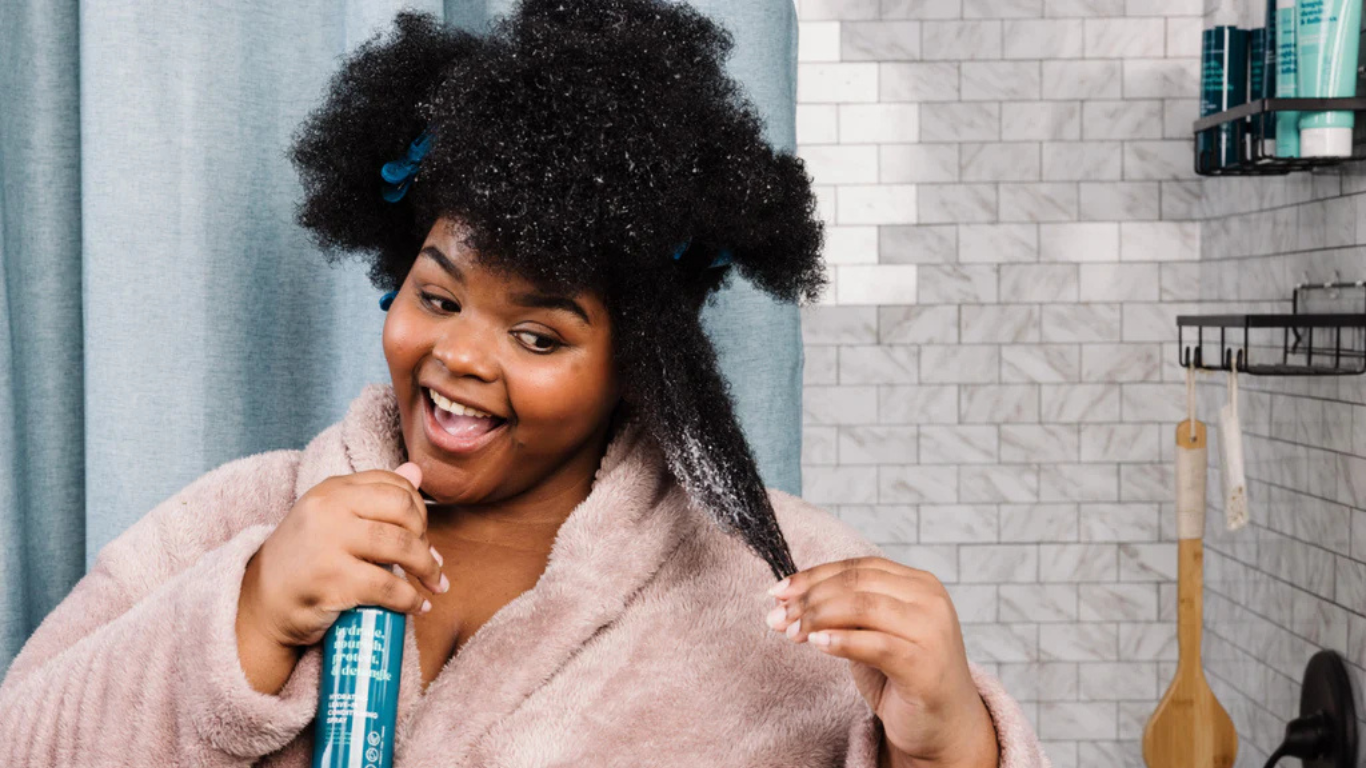
Moisture is one of the most misunderstood aspects of textured hair care. Grease alone is not moisture. Water is.
What I teach my clients:
Hydration starts with proper cleansing and conditioning
Moisture must be sealed, not smothered
Overloading hair with products causes buildup and dryness
When your hair is properly hydrated, it becomes:
Softer
More manageable
Less prone to breakage
Moisture is something you maintain daily and weekly, not just on wash day.
Protective Styling Requires Maintenance
Protective styles are helpful—but only when done correctly.
I remind my clients that:
Protective styles don’t protect neglect
Tight styles cause tension and thinning
You still need to cleanse, moisturize, and care for your hair underneath
Your natural hair should always be healthier after a protective style—not damaged from it.
Consistency Beats Everything
One of the biggest shifts I help clients make is moving from “quick fixes” to consistent care.
Healthy hair requires:
Regular trims
A realistic wash schedule
At-home maintenance between appointments
Patience
There is no product that replaces discipline. Once you commit to caring for your hair consistently, growth, strength, and retention follow naturally.
Healthy Hair Is Personal
No two heads of hair are the same. What works for someone else may not work for you—and that’s okay.
At Divine Hair Therapy, I focus on:
Customized routines
Individual hair needs
Long-term hair health over temporary results
When you stop comparing your journey to others and start listening to your hair, everything changes.
Final Thoughts From Tieteanna
Healthy hair isn’t about perfection. It’s about intention, education, and commitment.
When you treat your hair as part of your self-care—not just your appearance—you create results that last. My goal at Divine Hair Therapy Salon is to empower every client with the knowledge they need to care for their hair confidently, both inside and outside the salon.
Because when you understand your hair, you don’t just wear it—you nurture it.